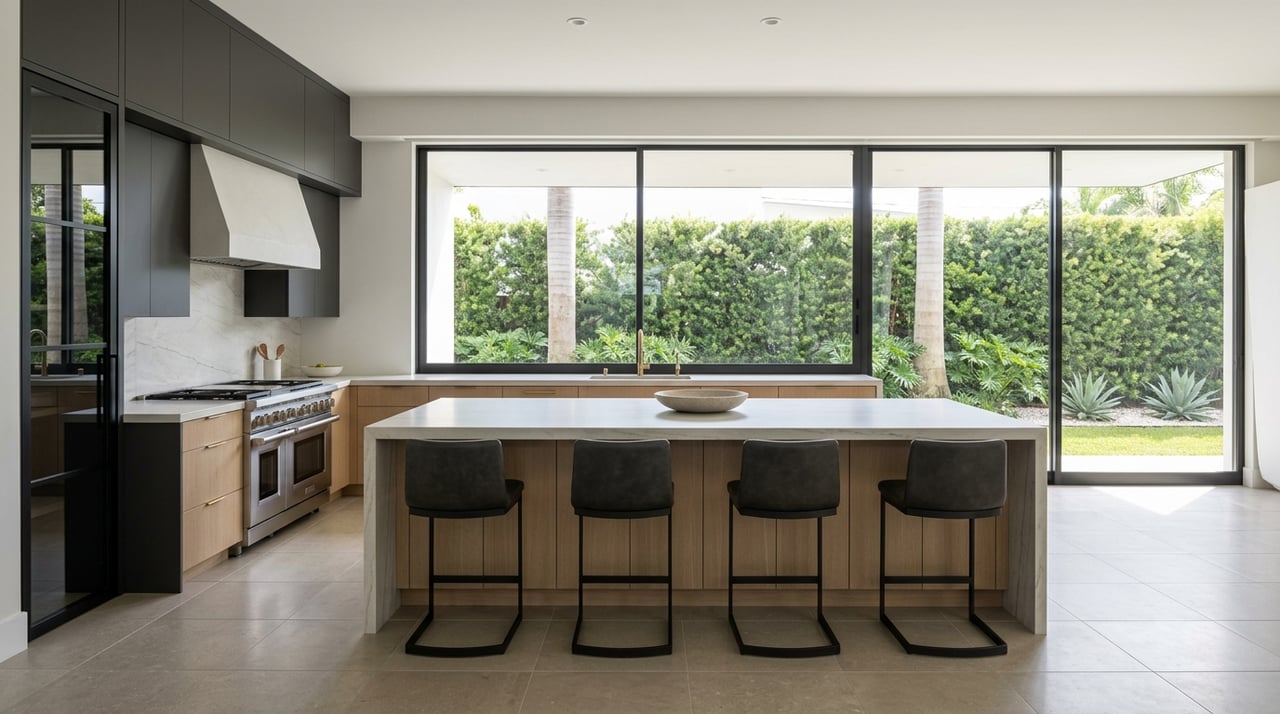
What to Expect From the Parkland Home Selling Timeline
Selling your Parkland home can feel simple on paper until you start asking the real questions. How long will it take? What happens before your home goes live? What can slow down closing after you accept an offer? If you want a smoother sale and fewer surprises, it helps to understand the timeline before you begin. Here’s what you can realistically expect in Parkland from the first call to the day you hand over the keys.
In Parkland, timing is shaped by both local market conditions and Florida contract rules. Realtor.com’s May 2026 market summary shows a median listing price of $1.295M, a median sold price of $1.175M, median days on market of 43, and a 98% sale-to-list ratio. It also describes Parkland as a seller’s market.
That does not mean every home sells overnight. Florida Realtors’ April 2026 statewide data says single-family homes spent a median 44 days from listing to contract, and closings may happen 30 to 90-plus days after contract. For many financed Parkland sales, a reasonable expectation is about 2.5 to 4.5 months from the first call to closing, with cash deals sometimes moving faster and HOA or repair-heavy deals taking longer.
Your timeline usually starts with a strategy conversation, not a sign in the yard. This is where you and your agent review your goals, likely timing, current market conditions, and the condition of your home. In a market like Parkland, pricing discipline matters because buyers are still comparing value even in a seller’s market.
This is also the stage where paperwork begins. In Florida, written listing agreements must have a definite expiration date, and you should receive a signed copy within 24 hours. Required brokerage disclosures must be made before or at the time you enter the listing agreement, or before the property is shown, whichever comes first.
A strong listing plan should also cover likely prep work before launch. That may include identifying repairs, deciding what to improve, and flagging anything that could affect value and should be disclosed if it is not readily observable to a buyer. Getting clear on these items early can save time later.
This is the part sellers often underestimate. Before your home hits the market, you may need cleaning, decluttering, touch-ups, repairs, staging, photography, and final marketing setup. The goal is to make your first impression count.
Because Parkland homes are moving on a multi-week schedule, it is smart to focus on quality over speed. Rushing to market with unfinished prep can weaken buyer response. A better approach is to decide what to fix, what to leave alone, and how to launch in a way that supports your price and position.
For many sellers, this phase is where the sale gains momentum. Once your home is clean, polished, and professionally presented, showings are easier to manage and buyers can focus on the property instead of distractions.
Once your home is active, the market starts giving feedback. In Parkland, median days on market were 43 in May 2026, so this stage may last several weeks rather than several days. Some homes move quickly, but it is better to plan for an active marketing period instead of expecting an instant sale.
As offers come in, your focus shifts from presentation to decision-making. Price matters, but so do financing strength, inspection terms, closing timeline, and contingencies. The strongest offer is not always the highest one on paper.
This is where negotiation becomes critical. An experienced listing strategy helps you weigh the full offer, respond clearly, and avoid terms that create unnecessary risk or delay.
After you accept an offer, the transaction enters a deadline-driven phase. Florida Realtors notes that FR/Bar contract time periods are counted in calendar days. If a deadline falls on a Saturday, Sunday, or legal holiday, performance moves to the next business day.
One of the biggest checkpoints is the inspection period. Under the AS IS Residential Contract, the buyer has a strong right of cancellation during that period. That makes inspection a major decision point in the transaction.
This is often where deals get renegotiated. Buyers may ask for repairs, credits, or other concessions based on inspection findings. If the response is slow or the parties cannot agree, the timeline can stretch or the deal can fall apart.
If your Parkland property is in an HOA, this step can add time. Under Florida law, an HOA estoppel certificate must be issued within 10 business days of a written or electronic request. The certificate can include assessments, special assessments, fees, open violations, transfer approval requirements, and rights of first refusal, all of which can affect timing and your net proceeds.
If your property is a condo, the timeline can be more sensitive. The buyer is entitled to current association documents at the seller’s expense, and the buyer gets a seven-business-day cancellation right after receiving the required condo documents. That is why association paperwork should be handled quickly instead of left until the end.
Title and closing coordination also happen during this stretch. Even if everything feels settled, the sale is not complete just because documents are signed. Florida Realtors explains that closing occurs only when the closing agent has received and collected all required funds and all required closing documents have been delivered.
The final walk-through is usually scheduled 24 to 72 hours before closing. Buyers use it to confirm agreed repairs, fixtures, appliances, and that there is no new damage. If the property does not match the contract, the deal can still slow down or reopen.
Closing day is the finish line, but there are still a few details that matter. In Florida, signing is not the same as closing. The transaction closes only when funds and documents are fully received and processed by the closing agent.
Once closing occurs, you are generally expected to deliver occupancy and possession unless the contract says otherwise. That usually means removing personal items and trash and turning over keys, garage door openers, access devices, and any codes.
While every sale is different, this is a practical way to think about the process:
| Stage | Typical Timing |
|---|---|
| Initial call, pricing, paperwork | Early planning stage |
| Prep, repairs, photography, launch | Before listing goes live |
| Active market time | Often several weeks |
| Listing to contract | Around 44 days statewide median for Florida single-family homes |
| Contract to closing | Often 30 to 90-plus days |
| First call to closing | Often about 2.5 to 4.5 months |
The biggest variable is how well the early stages are handled. Strong pricing, smart prep, and organized paperwork can shorten the path. Delays usually come from inspections, HOA or condo documents, title issues, or last-minute property condition problems.
If you want a more predictable selling experience, focus on the parts you can control early. Start with realistic pricing, complete prep before launch, respond quickly during negotiations, and stay ahead of HOA or association paperwork. Small delays at the beginning often become bigger delays later.
In Parkland, where many sellers are moving up, relocating, or coordinating another purchase, timing matters just as much as price. A clear plan from day one helps you make better decisions and protect your leverage as the sale moves forward.
If you’re thinking about selling and want a clear strategy built around Parkland timing, pricing, and presentation, connect with Roman Pavlik - Heron Bay/Parkland to start with a local plan.

I bring decades of luxury real estate mastery, guiding clients through high-end transactions with precision and discretion. With a proven track record of $87M+ in closed sales and expertise in properties up to $10M, I deliver results-driven, personalized service. Partnering with me means access to exclusive opportunities and elite market insight tailored to your goals.
Roman Pavlik
Roman’s Address 8064 NW 124th Ter Parkland FL 33076