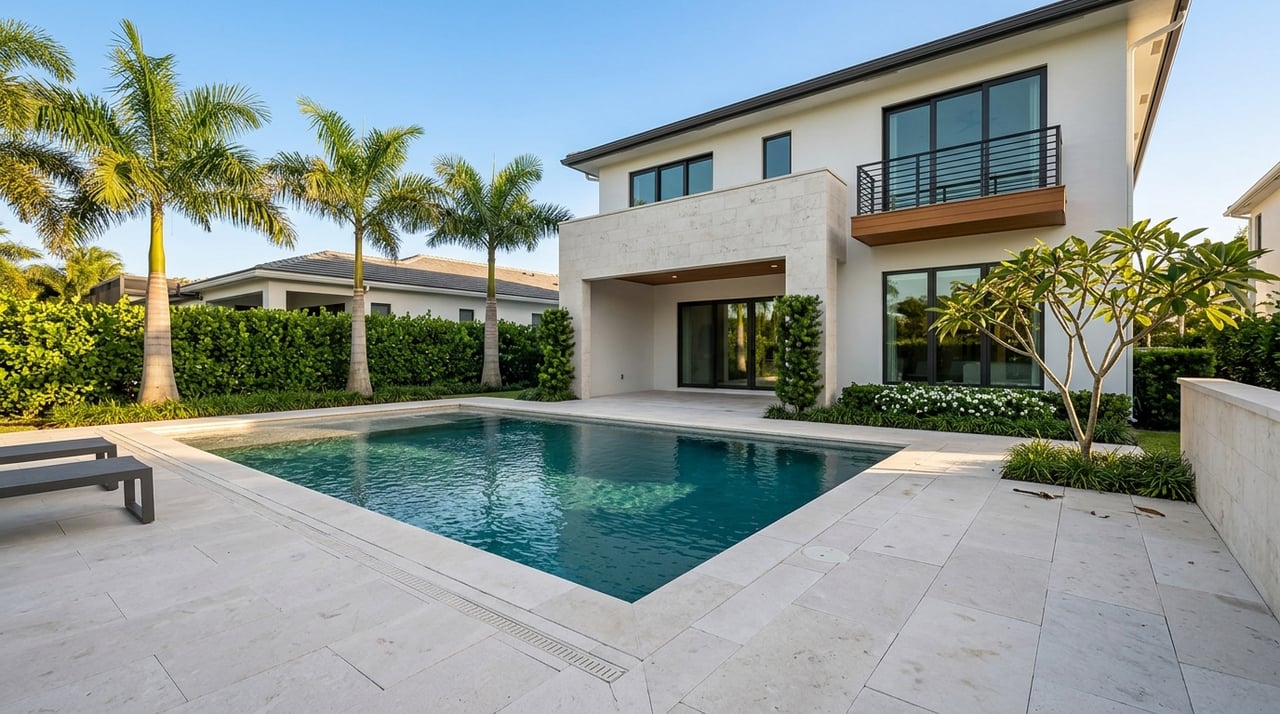
Living in Parkland FL: Inside Gated Community Life
If you are considering Parkland’s gated communities, you are probably looking for more than just a house. You want to know what daily life actually feels like, from the rhythm of the neighborhood to the tradeoffs that come with privacy, amenities, and HOA structure. The good news is that Parkland offers a very specific suburban lifestyle, and understanding it upfront can help you decide if it fits the way you want to live. Let’s dive in.
Parkland sits in northwest Broward County and is known for a peaceful suburban setting with an emphasis on preserving the city’s natural environment and distinct character. That city-level identity matters because it shapes how gated-community living feels here.
The numbers support that picture. Census Bureau data estimates Parkland’s population at 39,700 as of July 2024, with 85.1% owner-occupied housing, a median household income of $198,669, and a median owner-occupied home value of $983,000. The same data also shows 3.33 persons per household and 30.3% of residents under 18, which helps explain why so much of Parkland living centers on single-family neighborhoods, outdoor space, and community amenities.
One of the first things you notice about Parkland’s gated communities is that many of them function like their own small lifestyle hubs. Rather than relying on dense urban walkability, they often offer internal amenities that shape your routine close to home.
In Heron Bay, for example, community materials describe two clubhouses, The Commons and Plaza Del Lago, with 2 pools, 2 fitness centers, a waterpark, tennis and pickleball upgrades, basketball, spa and sauna features, and party rooms.
Parkland Golf & Country Club offers a different version of gated living. It describes itself as a private, family-focused community with clubhouses, dining, golf, fitness and wellness, racquet sports, resort-style pools, family programming, and year-round social events. It also distinguishes between golf membership and sports membership, which is important if you are comparing communities based on how you plan to use the amenities.
In practical terms, this means your day may start with a walk, a fitness session, or a trip to the clubhouse rather than a drive across town. In some communities, amenities are integrated enough that they become part of your weekly rhythm instead of just a nice extra.
That is one reason gated living in Parkland appeals to buyers who want convenience without giving up a suburban setting. You may still drive for many errands, but inside the neighborhood, there is often enough going on to make home life feel active and connected.
For many buyers, the strongest draw is not just the amenities. It is the feeling of privacy, structure, and consistency that comes with a gated setting and HOA-managed environment.
That structure can create a more orderly look and feel across the neighborhood. Streetscapes, landscaping, amenities, and common areas are typically maintained to a defined community standard, which can support a polished overall environment.
At the same time, that lifestyle comes with rules and expectations. The tradeoff is usually straightforward: you gain privacy, amenities, and a more controlled neighborhood feel, while accepting HOA oversight, community guidelines, and in some cases different levels of club access or membership.
Parkland’s gated communities benefit from being in a city that puts real emphasis on green space. This is not just about private pools and clubhouse grounds. It is also about the broader outdoor environment around you.
The City of Parkland lists 11 parks and preserves, including Pine Trails Park, Terramar Park, Liberty Park, Veteran’s Park, Covered Bridge Park, Barkland Dog Park, and several preserve areas. The city also says pathways and trails are open from sunrise to sunset.
Parkland’s Parks and Recreation Master Plan reports 268.17 total acres of parkland, including Pine Trails Park at 79.35 acres. The city also highlights the Brian D. Archer Wilderness Preserve at Parkside as a passive park with a boardwalk through a preserve setting.
If you spend time in Parkland, one of the defining lifestyle traits is how intentional the city feels about preserving its natural character. City materials emphasize native plants, wildlife habitat, wetlands protection, tree-canopy preservation, and invasive-species removal.
For you as a resident, that often translates into a calmer visual environment. Even in amenity-rich communities, the broader setting still feels tied to landscaping, open areas, trails, and a suburban layout rather than a more built-up city experience.
This is one of the most important lifestyle points to understand before you move. Parkland can feel easy to navigate, but it is still a car-first suburb for most daily needs.
Major roads such as University Drive, Holmberg Road, Loxahatchee Road, Parkside Drive, Nob Hill Road, and U.S. 441/S.R. 7 play a big role in everyday movement. Census data shows an average commute time of 32.5 minutes, which gives you a practical sense of how the area functions.
Inside some communities, you may be able to walk or bike to clubhouses and amenities. Heron Bay materials specifically note that residents can access clubhouses by walking, biking, or driving. But when it comes to commuting, larger shopping trips, and many appointments, you will likely be driving.
Parkland does have practical retail options nearby. Parkland Commons on North University Drive is anchored by Publix, and Shoppes of Parkland on West Hillsboro Boulevard is anchored by BJ’s Wholesale Club and includes everyday tenants such as Starbucks, Jersey Mike’s Subs, and Dollar Tree.
For health care access, nearby providers include Broward Health Coral Springs and HCA Florida Northwest Hospital, both of which identify Parkland among the communities they serve. So while services are accessible, the pattern is suburban convenience rather than everything being clustered within a short walk.
A common mistake buyers make is assuming all gated communities in Parkland offer the same experience. They do not. Some lean more heavily into social amenities and internal activity, while others may appeal more for privacy, club access, or the overall neighborhood setting.
That is why it helps to look beyond the gate and compare how each community actually lives day to day. You want to think about how often you will use fitness spaces, pools, trails, courts, social events, or membership-based amenities, because those details can shape whether a neighborhood feels like the right fit after the excitement of the move wears off.
If you are comparing Parkland gated communities, it helps to focus on the details that affect your everyday life most.
Here are a few smart things to verify:
Those checks can save you time and help you choose based on real lifestyle fit, not just curb appeal.
If you want a suburban environment with strong owner occupancy, amenity-rich neighborhoods, and a citywide focus on parks and green space, Parkland offers a compelling lifestyle. It tends to appeal to buyers who value privacy, planned communities, and room to spread out.
The biggest tradeoff is that you are choosing a more structured and car-dependent daily routine. For many buyers, that is well worth it because of the neighborhood feel, access to amenities, and the overall consistency of the environment.
If you are weighing communities like Heron Bay or other gated options in Parkland, the key is to match the neighborhood to your actual routine, priorities, and long-term plans. If you want help comparing Parkland’s gated communities or understanding how one neighborhood stacks up against another, connect with Roman Pavlik - Heron Bay/Parkland for local guidance.
I bring decades of luxury real estate mastery, guiding clients through high-end transactions with precision and discretion. With a proven track record of $87M+ in closed sales and expertise in properties up to $10M, I deliver results-driven, personalized service. Partnering with me means access to exclusive opportunities and elite market insight tailored to your goals.
Roman Pavlik
Roman’s Address 8064 NW 124th Ter Parkland FL 33076